

Why Is My Cat Not Eating? 9 Alarming Causes to Know
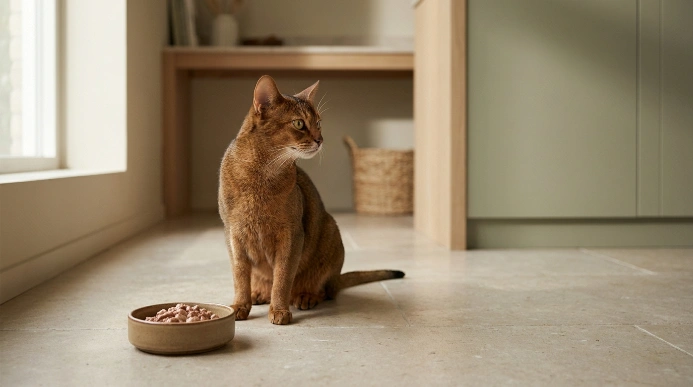
Your cat normally appears the moment food hits the bowl. Then one day, breakfast goes untouched.
Hours later, the food is still there.
Naturally, you start wondering: Why is my cat not eating?
Cats can occasionally become picky about food, but a genuine loss of appetite deserves more attention than many owners realize. Unlike a dog that skips a meal and then enthusiastically eats dinner, prolonged food refusal can become particularly concerning in cats.
Cornell University’s Feline Health Center explains that loss of appetite isn’t a disease itself. Instead, it can be a clinical sign associated with many different conditions, including dental problems, gastrointestinal disease, kidney disease, pancreatitis, diabetes, fever and even psychological stress. Cornell also warns that sustained appetite loss can seriously affect an adult cat’s health in as little as 24 hours.
That doesn’t mean every half-eaten breakfast is an emergency.
The key is understanding what has changed, how much your cat is actually eating, and whether other symptoms are appearing.
Here are nine common explanations.
1. Your Cat May Dislike a Change in Food
Start with the obvious question:
Did anything about the food change?
Cats can be remarkably particular about smell, texture, temperature and consistency.
You may have changed brands, switched from wet to dry food, introduced a prescription diet, bought a different flavor, or opened a reformulated version of your cat’s usual food.
Even a seemingly minor change can matter.
Cornell notes that some cats develop selective eating habits and that environmental factors such as dirty bowls, noisy feeding locations and the presence of other animals can discourage eating.
Check the food itself too.
Is it fresh?
Has wet food been sitting out too long?
Does the dry food smell unusual?
Is the bowl clean?
If your cat still happily accepts treats but refuses a newly introduced food, preference becomes more plausible.
But don’t automatically assume stubbornness if your cat refuses everything, including favorite foods.
That changes the picture.
2. Stress Can Reduce a Cat’s Appetite
Cats often thrive on predictability.
Moving house, introducing another pet, bringing home a baby, changing furniture, having visitors, boarding, construction noise, or even moving the food bowl can create stress.
For some cats, that stress affects appetite.
Cornell specifically notes that psychological factors can contribute to food avoidance, including the introduction of another animal or even the loss of a feline companion.
Observe the rest of your cat’s behavior.
Are they hiding more?
Avoiding particular rooms?
Becoming unusually clingy?
Acting tense around another animal?
Eating only when nobody is nearby?
Try to provide a quiet, predictable feeding area away from litter boxes, noisy appliances, dogs, children and heavy foot traffic.
However, don’t diagnose stress simply because something changed at home.
Medical illness can also make cats withdraw or hide, so persistent appetite loss still deserves veterinary attention.
3. Dental Pain Can Make Eating Uncomfortable
Your cat may be hungry but find eating painful.
Dental disease is an important possibility, particularly in adult and senior cats.
A cat with oral discomfort may approach food enthusiastically, sniff it, attempt a bite and then walk away. Others may chew strangely, drop food, prefer softer meals, paw at their mouth, drool, or develop noticeably bad breath.
Cornell identifies dental problems as an important potential cause of feline anorexia and notes that veterinarians evaluating appetite loss should examine the teeth and gums carefully.
Don’t attempt to inspect a painful cat’s mouth forcefully.
A frightened cat in pain can bite, and oral problems aren’t always visible without a proper veterinary examination.
If your cat appears interested in food but struggles to eat it, oral pain should be considered.
4. Nausea and Digestive Problems Can Suppress Appetite
A nauseated cat doesn’t necessarily vomit.
Sometimes the first clue is simply a cat that suddenly refuses food.
Other signs of nausea or gastrointestinal trouble can include repeated swallowing, lip licking, drooling, hiding, diarrhea, abdominal discomfort, or approaching food and then turning away.
If vomiting is also occurring, our guide to cat vomiting and its common causes explains what can trigger it and when the combination of symptoms warrants veterinary care.
Likewise, appetite loss combined with loose stools should be viewed differently from ordinary pickiness. Our cat diarrhea guide covers the major causes and warning signs to monitor.
A single mild digestive upset may resolve quickly.
Persistent vomiting or diarrhea combined with refusal to eat is more concerning because fluid and calorie intake can both decline.
5. Respiratory Illness Can Make Food Less Appealing
Cats depend heavily on smell when deciding whether food is appealing.
Think about what happens when a cat develops nasal congestion.
Food may be sitting directly in front of them, but if they can’t smell it properly, they may show little interest.
Upper respiratory disease may also cause sneezing, nasal discharge, watery eyes, lethargy or fever.
This is one reason warming wet food slightly can sometimes make it more attractive—the stronger aroma may encourage a mildly congested cat to investigate it.
But warming food doesn’t treat the underlying illness.
If your cat has respiratory symptoms and isn’t eating adequately, veterinary advice is appropriate, particularly if breathing becomes difficult or your cat is becoming weak.
6. Pain Elsewhere in the Body Can Reduce Eating
The problem doesn’t have to originate in the mouth or digestive tract.
Pain anywhere in the body can suppress appetite.
Arthritis, injuries, abdominal pain, urinary problems and many other uncomfortable conditions can change how a cat behaves around food.
Cats are especially good at hiding discomfort.
Instead of crying, they may become quieter, sleep somewhere unusual, stop jumping, resist handling, groom less, or simply stop appearing at mealtimes.
Merck Veterinary Manual notes that decreased appetite and reduced grooming can be behavioral indicators of pain in animals.
Look for subtle changes.
Can your cat comfortably reach the food bowl?
Does an older cat have to jump onto a counter to eat?
Are they walking normally?
Do they react when touched?
Appetite is one piece of a larger behavioral picture.
7. Kidney Disease and Other Medical Conditions Can Affect Appetite
Persistent appetite loss can also be associated with systemic illness.
Cornell lists conditions including kidney disease, diabetes, hyperthyroidism, pancreatitis and hepatic lipidosis among the many potential medical problems associated with feline anorexia.
This is particularly important with older cats.
You may initially notice subtle changes such as:
- gradual weight loss
- reduced appetite
- increased thirst
- changes in urination
- vomiting
- poor coat condition
- reduced activity
Changes in drinking habits are especially worth monitoring.
If you’re unsure what’s normal, our guide explaining how much water a cat should drink can help you understand normal hydration and when increased or decreased drinking deserves attention.
Don’t try to diagnose kidney disease or another systemic condition based on appetite alone.
A veterinary examination and appropriate testing are needed to determine the cause.
8. Hairballs May Sometimes Affect Appetite
Cats naturally swallow loose hair while grooming.
Most swallowed hair passes through the digestive tract, while some may be expelled as hairballs.
A cat dealing with gastrointestinal irritation may temporarily become less interested in food, particularly if retching or vomiting is also occurring.
Regular grooming can reduce the amount of loose hair your cat swallows. Our guide on how to groom a cat explains brushing frequency and safe at-home grooming techniques.
However, don’t assume persistent vomiting or appetite loss is “just a hairball.”
Repeated unproductive retching, ongoing vomiting, abdominal discomfort, constipation, lethargy, or continued refusal to eat can indicate a more significant problem and should be assessed by a veterinarian.
9. A Foreign Object or Toxic Substance Can Cause Sudden Appetite Loss
Sudden appetite loss becomes especially concerning when there’s a possibility your cat swallowed something dangerous.
Cats can chew string, thread, ribbon, hair ties, rubber bands, plants and other household objects.
String-like foreign objects are particularly dangerous because part of the material can become anchored while the intestines continue moving around it.
Toxic exposures can also cause appetite loss alongside vomiting, drooling, weakness, neurological changes, or other symptoms.
Consider what your cat could have accessed recently.
Don’t pull string from your cat’s mouth or rectum if you see it protruding. Seek veterinary assistance.
Likewise, if you suspect your cat has eaten a toxic plant, human medication, chemical, or other potentially poisonous substance, contact a veterinarian or animal poison service promptly rather than waiting to see whether appetite returns.
How Long Can a Cat Go Without Eating?
This is where cat appetite loss becomes particularly important.
A cat surviving without food and a cat safely going without food are two very different things.
Cornell warns that anorexia can have a severe effect on a mature cat when it persists for as little as 24 hours. For kittens younger than six weeks, food avoidance for only 12 hours can become dangerous.
One major concern is hepatic lipidosis, commonly called fatty liver disease.
When a cat—particularly an overweight cat—stops eating, the body begins mobilizing stored fat for energy. Cats can have difficulty processing that influx of fat in the liver, potentially creating a serious medical problem.
This is why “I’ll wait several days and see if she gets hungry” isn’t a good strategy for a cat that has genuinely stopped eating.
What If My Cat Is Drinking Water but Not Eating?
Drinking normally is better than refusing both food and water, but it doesn’t make prolonged food refusal safe.
A cat may continue drinking while experiencing dental disease, nausea, kidney problems, stress, pain or another condition.
Monitor how much they’re drinking rather than simply noting that they visited the water bowl.
An unusual increase in thirst can itself be clinically relevant.
Again, our cat hydration guide explains what owners should watch for.
If your cat hasn’t eaten properly for around 24 hours, contact your veterinarian even if they’re still drinking.
What If My Cat Is Not Eating but Acting Normal?
This can be confusing.
Your cat may still walk around, play briefly, or interact with you despite eating less.
Cats can hide illness remarkably well.
First determine whether they have truly stopped eating.
In multi-cat households, it can be difficult to know which animal consumed the food. Feed the cat separately for a short period so you can accurately monitor intake.
Also check whether someone else is giving treats or whether your cat has access to another food source.
If the lack of appetite is genuine and persists, don’t wait for dramatic illness to appear.
A cat doesn’t need to look critically ill before appetite loss matters.
Can I Encourage My Cat to Eat at Home?
For a cat that has only recently become less interested in food and otherwise appears comfortable, you can try a few low-risk measures while arranging veterinary advice if the problem persists.
Offer their familiar favorite food.
Serve wet food at room temperature or warm it slightly to increase its aroma.
Use a clean bowl in a quiet location.
Separate your cat from other animals while feeding.
You can also offer smaller portions more frequently rather than presenting a large meal.
Avoid constantly introducing richer and richer human foods.
Cats need nutritionally appropriate diets. Cornell explains that cats are obligate carnivores with specific nutritional requirements that depend on nutrients supplied by animal products.
For kittens, nutritional requirements are even more important because they’re supporting rapid growth. Our kitten feeding guide covers appropriate feeding routines during early development.
Most importantly, don’t force-feed a sick cat without veterinary guidance.
Cornell notes that forcing food can worsen food aversion in some cats, while veterinary feeding support may be needed when anorexia persists.
When Should You Call a Veterinarian?
Contact your veterinarian if your adult cat has gone approximately 24 hours without eating, and consider calling sooner if your cat already has a medical condition or appears unwell.
Seek more urgent veterinary attention when appetite loss accompanies:
- repeated vomiting
- significant diarrhea
- difficulty breathing
- severe lethargy or weakness
- collapse
- obvious pain
- a swollen or painful abdomen
- yellow gums, eyes or skin
- inability to urinate
- suspected poisoning
- possible foreign-object ingestion
- significant dehydration
- neurological abnormalities
Very young kittens deserve faster attention because they have fewer reserves and can deteriorate quickly.
The goal isn’t to panic over one unfinished meal.
It’s to avoid allowing genuine anorexia to continue unchecked.
Frequently Asked Questions
Why is my cat suddenly not eating?
Sudden appetite loss can result from stress, a food change, nausea, dental pain, infection, gastrointestinal disease, pain, systemic illness or other problems. The surrounding symptoms and duration help determine how concerning it is.
Why is my cat not eating but still drinking?
Some cats continue drinking despite nausea, dental problems, kidney disease, stress or other illnesses. Normal drinking doesn’t eliminate the risks associated with prolonged food refusal.
Can stress make a cat stop eating?
Yes. Environmental and psychological stress can reduce appetite. Cornell notes that changes involving other animals and even the loss of a companion can contribute to food avoidance. However, medical causes should not be dismissed simply because a stressful event occurred.
Is my cat just being picky?
Possibly—particularly if they reject one food but enthusiastically eat their usual diet. A cat refusing all food, including favorite meals and treats, is more concerning than one rejecting a particular flavor.
Should I force my cat to eat?
Not without veterinary guidance. Force-feeding can worsen food aversion and may be inappropriate or unsafe depending on the underlying condition. Cornell specifically discusses moving away from force-feeding because it can intensify a cat’s aversion to food.
How long should I wait if my cat isn’t eating?
Don’t wait several days. Cornell states that sustained anorexia can seriously affect an adult cat’s health in as little as 24 hours. If your cat appears ill or has additional concerning symptoms, seek veterinary advice sooner.
PetCareRoutine Perspective
A cat refusing food isn’t automatically experiencing an emergency, but it’s also not something to dismiss as ordinary feline stubbornness.
The most useful question isn’t simply “Why is my cat not eating?”
Ask what else has changed.
Did you introduce a different food? Is your cat hiding? Are they vomiting? Drinking more? Struggling to chew? Losing weight? Acting painful? Did something stressful happen at home?
Those details can turn a vague symptom into valuable information for your veterinarian.
Most importantly, remember that cats don’t tolerate prolonged food refusal particularly well. An adult cat approaching 24 hours without meaningful food intake deserves veterinary attention, and a cat with serious additional symptoms may need help much sooner.
Knowing your cat’s normal eating routine makes deviations easier to spot.
That simple habit—paying attention to how much your cat normally eats—can become one of your most useful tools for recognizing illness early.





[…] changes deserve attention. If an older kitten or adult suddenly refuses meals, our guide explaining why a cat may stop eating covers warning signs. Hydration also matters, and our guide to how much water a cat should drink […]
[…] If your cat is ignoring meals while seeking grass or other unusual material, read our guide on why a cat may stop eating and arrange veterinary care when […]
[…] ability to smell food, which can make an already sick cat less interested in eating. Our guide on why a cat may stop eating can help you recognize other warning signs that deserve veterinary […]
Comments are closed.